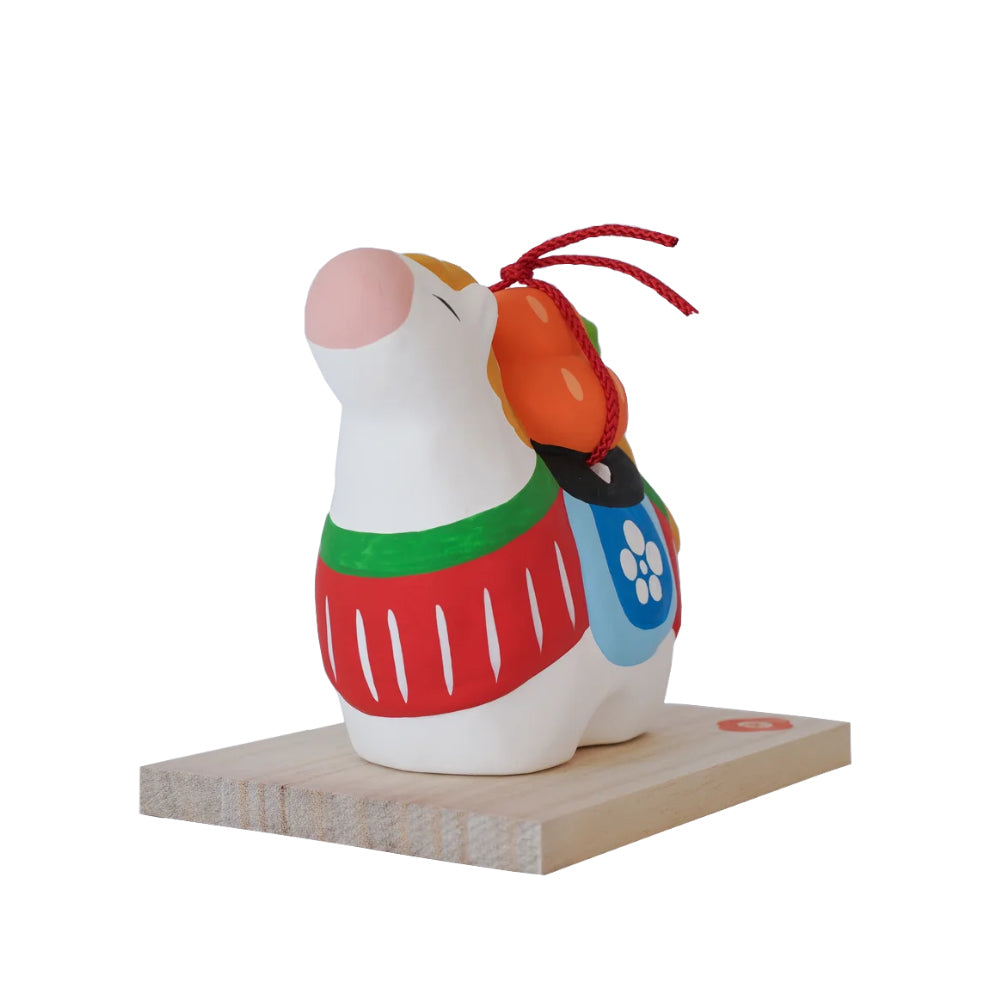
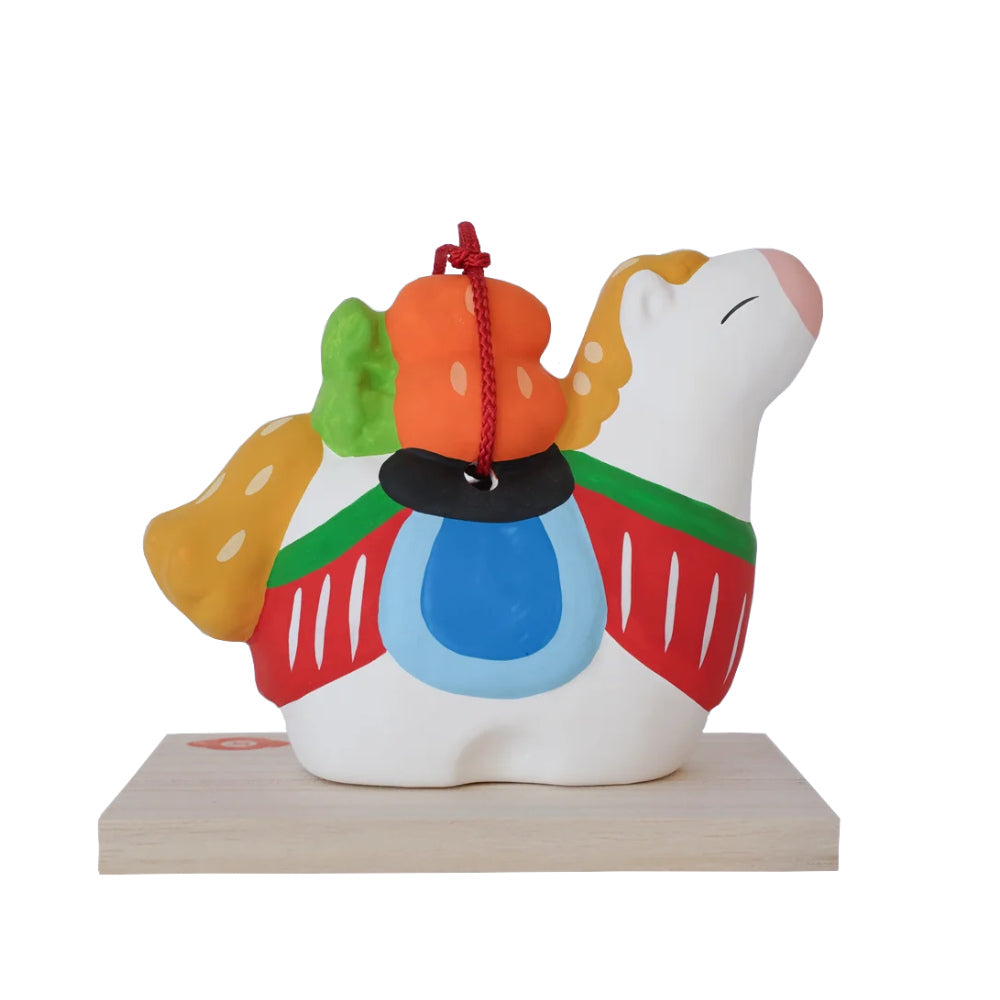
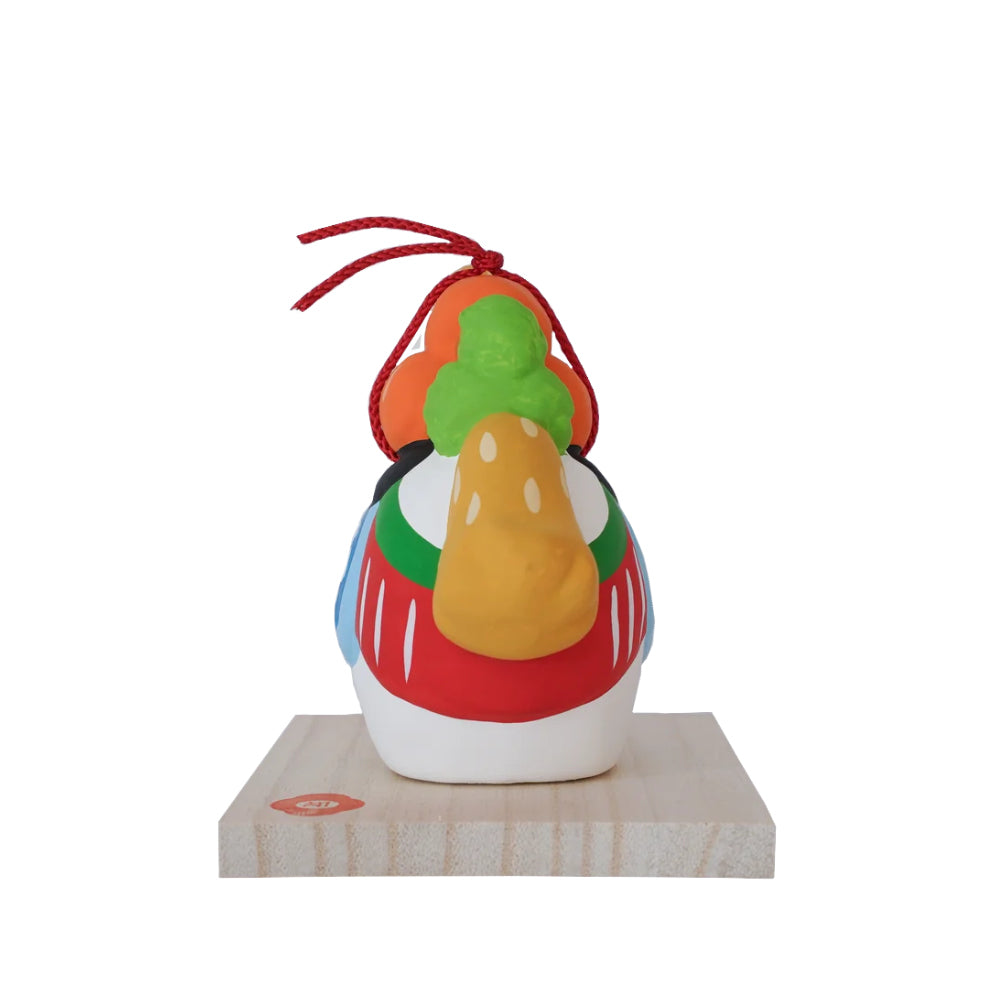
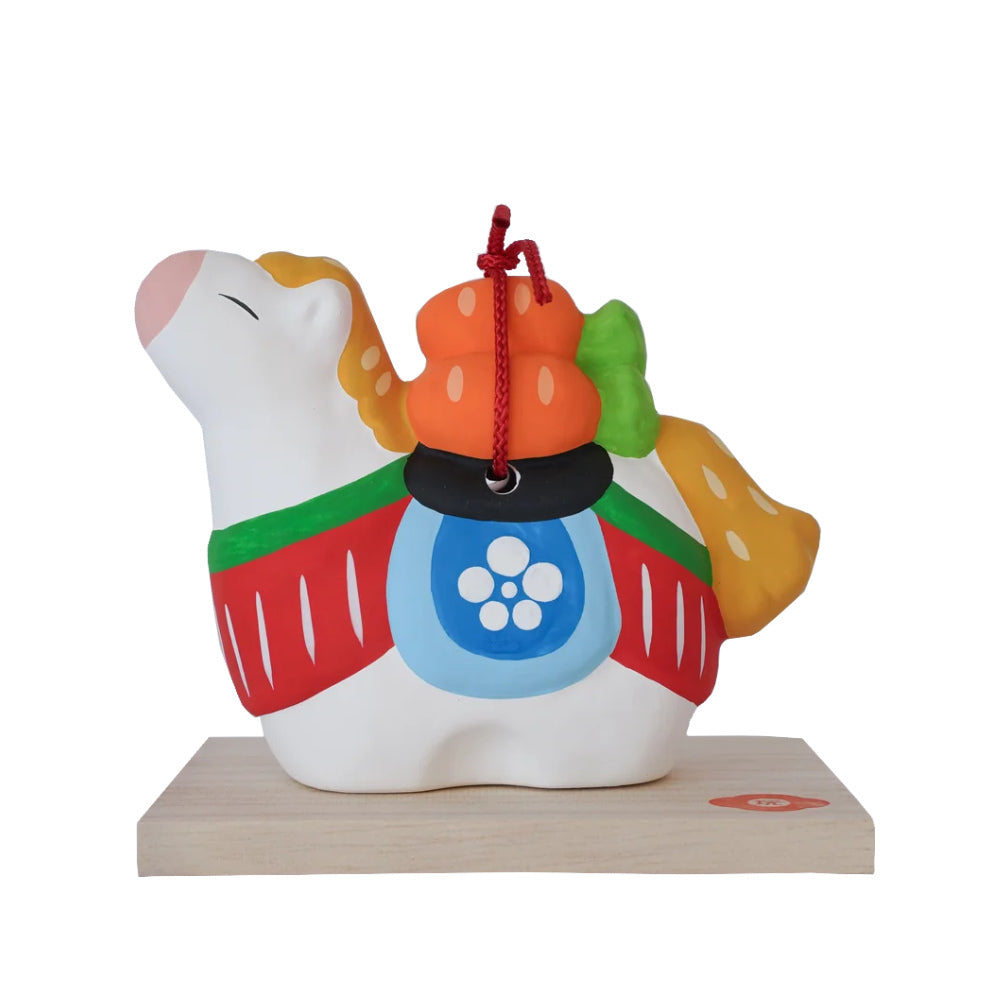
Umai Ninjin : Horse with Carrot
Umai Ninjin : Horse with Carrot
BOWS & ARROWS Store
17 Rue Notre Dame de Nazareth
Tue to Sat, from 12h30pm to 7h30pm
75003 Paris
France
A timeless Japanese charm, crafted by hand and made to be cherished.
- A larger hand-cast horse figure for 2026, the Year of the Horse, shown with a carrot
- The name is a pun: 午い (umai, using the character for horse) sounds identical to 美味い (umai, meaning delicious), playing on a horse's love of carrots
- Horses are traditionally linked to family protection, vigour, and winning fortune in Japanese zodiac lore
- Hand-cast and hand-painted in Seto, not a mass-produced zodiac figure
- Each face painted freehand, so no two figures match
This is one of the larger pieces in the workshop's 2026 horse line, at just under 10cm tall. The design plays on a pun between 午い (umai, "horse-ish") and 美味い (umai, "delicious"), pairing the horse with a carrot to make the wordplay visible.
Horses have long been kept as household charms in Japan, believed to protect the family and carry good fortune, since they historically supported people through farming and travel. The source listing for this piece specifically describes the horse as a symbol of family protection, happiness, vigor, success, and winning fortune.
As a zodiac figure rather than a New Year decoration, it holds the same meaning whether bought in January or November, the same way collectors building a full twelve-animal set buy pieces year-round.
The figure also isn't tied to the calendar year for most people. Anyone born in a previous horse year (2014, 2002, 1990, 1978, 1966, 1954) reaches their "toshidoshi" (年男・年女) in 2026, the year their birth-zodiac comes back around. This is treated as a milestone year in Japanese tradition, historically linked to special roles in shrine rituals such as setsubun bean-throwing. The Japanese zodiac year doesn't end on December 31st. Tradition marks the turn at Setsubun, in early February, so 2026 is still the Year of the Horse until February.
Seto has served as a major Japanese pottery centre since the Heian period and was historically the sole domestic producer of glazed ceramics, which is why "setomono" became the standard Japanese term for pottery. Since the late 1800s, Seto's artisans have applied their expertise to ceramic dolls and figures using traditional methods: plaster mould casting, firing, and freehand hand-painting.
Material: Ceramic Size: 9.3 × 12.5 × 6.0 cm
Finish: Matte, hand-painted
Care note: The paint is applied after firing rather than glazed in, so keep this piece dry and handle it gently.
Origin: Seto, Japan